

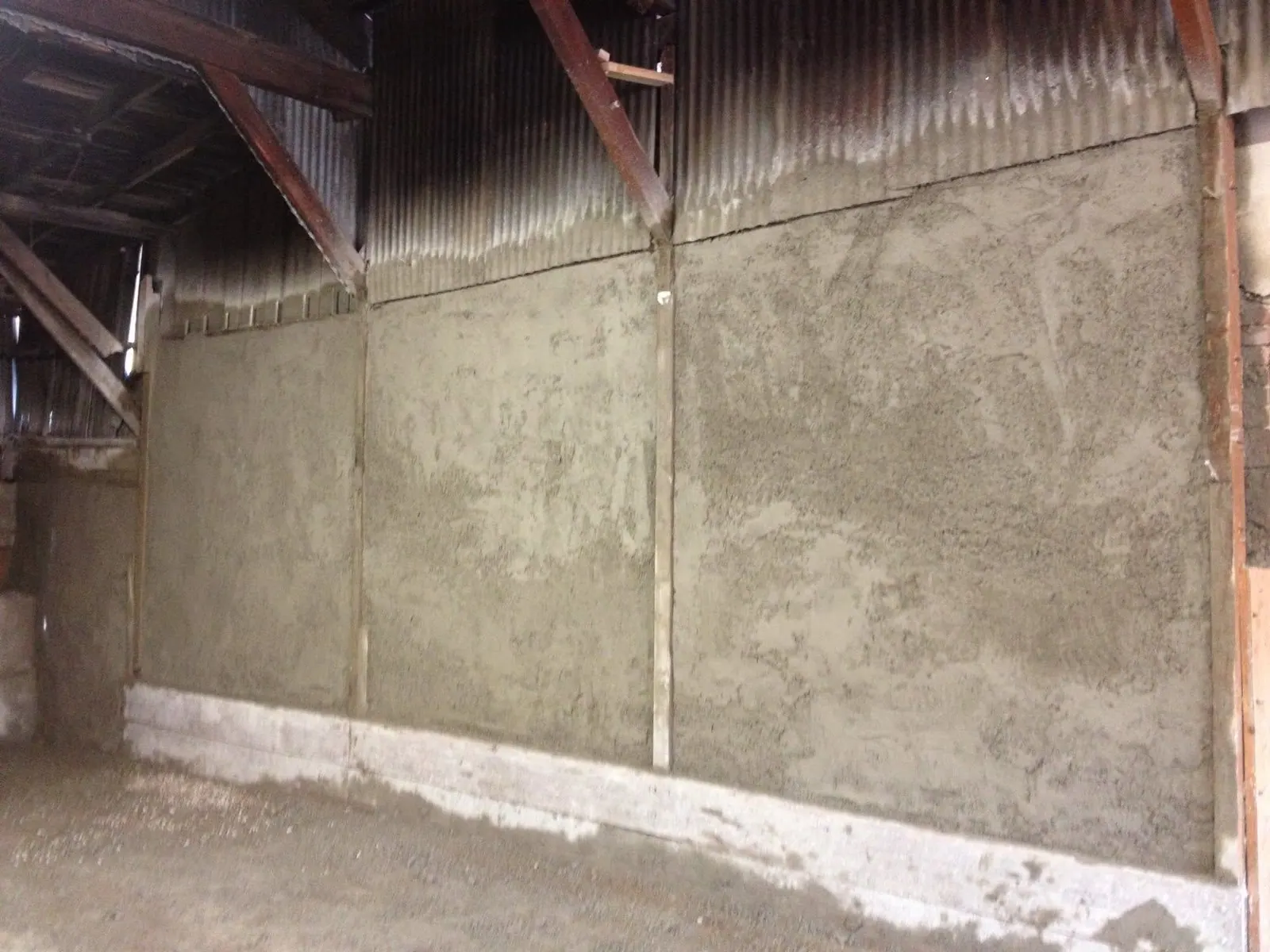
Hardcoat stucco is the old-school kind: thick cement plaster put on in three coats. Hardcoat stucco repair in Reno means rebuilding a damaged spot the same way, one layer at a time, so the patch is as strong as the wall around it. It takes a few days, because each coat has to cure.
Knock on your wall. Does it feel like rock? Is it hard and heavy, almost like a sidewalk turned on its side? That's a good sign you've got hardcoat. Older homes in particular often have it.
What is hardcoat stucco?
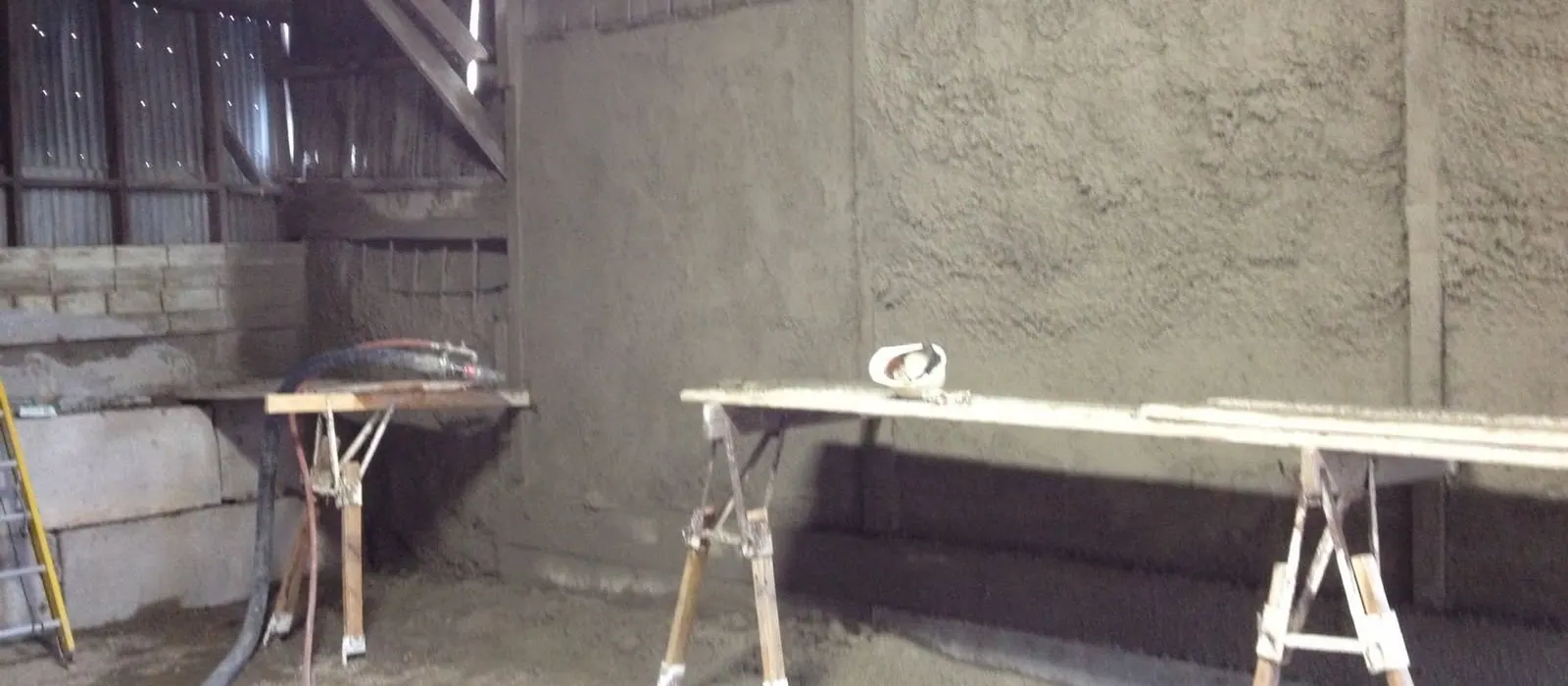
Hardcoat, also called three-coat or traditional stucco, is a mix of cement, sand, lime and water. On a wood-frame house it goes on over building paper and wire lath. Then come the three coats.
- The scratch coat is pressed into the lath. It's raked with grooves so the next coat can grip it.
- The brown coat goes on next. It builds up the thickness and makes the wall flat.
- The finish coat goes on last. It carries the color and the texture you see from the street.
Together, the three coats are close to an inch thick. That makes hardcoat strong and long-lasting. It also means a quick skim patch won't hold, because it doesn't bond the way the original layers did.
Hardcoat stucco repair, step by step
A good hardcoat repair copies the way the wall was first built.
- We find the edges of the damage by tapping for hollow spots.
- We cut the old stucco back to solid, well-bonded material with clean, square edges.
- We check the paper and lath underneath and replace what's torn, rusted or wet.
- We apply a new scratch coat and let it set up.
- We apply a brown coat to bring the patch flush with the wall, then let it cure.
- We finish with a texture and color matched to the rest of the house.
Curing matters more here than in a lot of places. Reno's air is dry, and fresh cement stucco can lose its water too fast in the sun and wind. When that happens it shrinks and cracks. So we keep new coats damp while they cure, and we plan around hot afternoons.
Traditional stucco repair in cold weather
Winter changes the plan. Fresh cement stucco shouldn't freeze before it gains strength. Most product makers say not to apply it when it's colder than about 40 degrees, unless the area is covered and warmed. So in deep winter we may tarp and heat a small repair, or save bigger hardcoat work for a milder stretch. We'll tell you what makes sense for your wall.
Hardcoat or something else?
Not every stucco home is hardcoat. Some newer houses have a thinner system, often called one-coat, sometimes over foam board. Those can sound hollow when you knock, and they need different materials. We'll check your wall when we come out. Using the right repair for the right system is what keeps a patch from cracking around its edges later.
Matching an old hardcoat finish
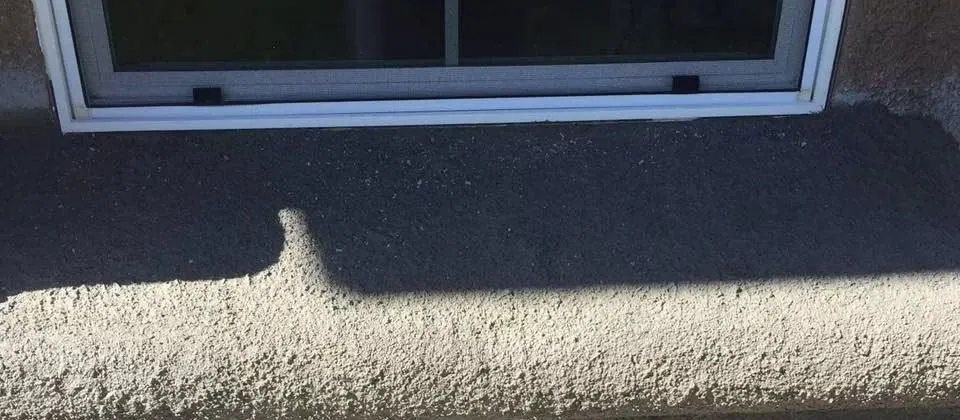
Hardcoat finishes are often troweled by hand, so no two walls look quite alike. Sand finish, lace, dash, smooth. We match your pattern on site and blend the edges. If the old color has faded, we'll talk with you about coating a whole wall so the repair disappears.
What does hardcoat stucco repair cost?
A typical hardcoat repair in the Reno area runs about $500 to $4,000 per area, depending on size, height and how much lath has to be replaced. Those are typical ranges, not a quote. The stucco repair cost guide shows what moves the price, and your written estimate is free.
Small cracks in hardcoat can often be handled as crack and patch repair. If water has been getting behind the wall, read about water damage repair first. And if most of the stucco has let go, a full re-stucco might be the smarter fix.
How it goes
- 01Call or send the form
Tell us what you see on the wall and where the house is.
- 02Get your free written estimate
We look at the wall in person, find the cause, and write down the scope and price.
- 03We fix the wall
We protect the area, make the repair, let it cure properly and clean up after.